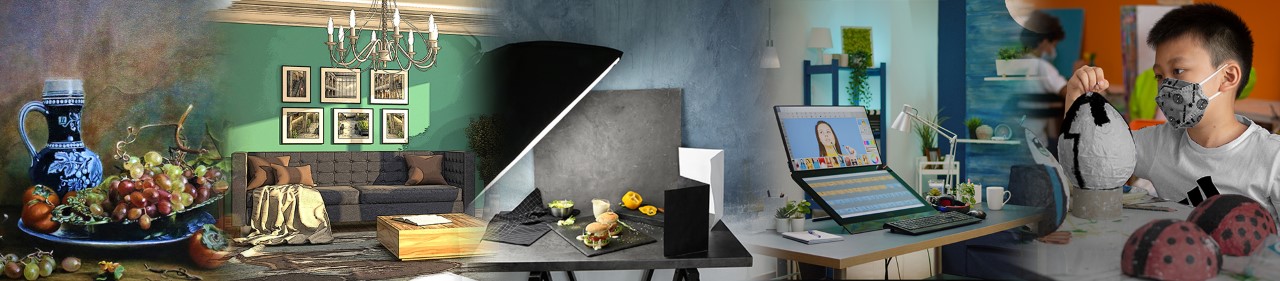
Painting gives children a calm space to slow down and enjoy each stage of making art. A child selects colors, prepares a brush, adds small details, and watches the picture develop over time. Some paintings look different from the first idea, which teaches children to accept small changes with confidence. Regular practice builds steady habits, and painting classes for kids in Dubai give young learners a friendly space to develop patience and persistence.
Small steps build patience
A painting rarely looks complete after the first few brushstrokes. Children learn to wait as they add layers, mix colors, and fill empty areas. This process helps them understand that good results take time. Instead of rushing toward the final picture, children focus on one small task at a time. Each finished section gives them a sense of progress and encourages them to work calmly.
Mistakes teach persistence
Paint may spill, a color may look different, or a brushstroke may land in the wrong spot. These moments give children useful practice in handling mistakes. Teachers encourage them to try another idea instead of giving up. A child may cover a mark, add a new detail, or adjust the design. Each attempt teaches an important lesson: a mistake does not have to end the activity.
Practice builds confidence
Regular painting sessions give children repeated chances to practice the same skills. They learn brush control, color mixing, basic drawing, and simple painting techniques. Skills improve gradually as children spend time creating. Small improvements also give children confidence in their own abilities. This confidence encourages them to try harder designs and stay focused when a task becomes difficult.
Teachers encourage steady effort
A supportive teacher helps children stay patient during challenging activities. Teachers show simple techniques, offer helpful suggestions, and praise effort. Their guidance helps children focus on progress instead of expecting perfect results. Children also learn to listen, make changes, and try again. Positive feedback makes effort feel rewarding and helps young artists develop a stronger work ethic.
Patience beyond the art room
The habits children develop during painting can support daily activities too. Patience helps them complete school tasks, build crafts, solve problems, and practice new skills. Persistence encourages them to try again after an unsuccessful attempt. Painting gives these lessons a practical setting where children see their own progress. With regular creative practice, young learners develop calm focus, steady effort, and confidence in their abilities.