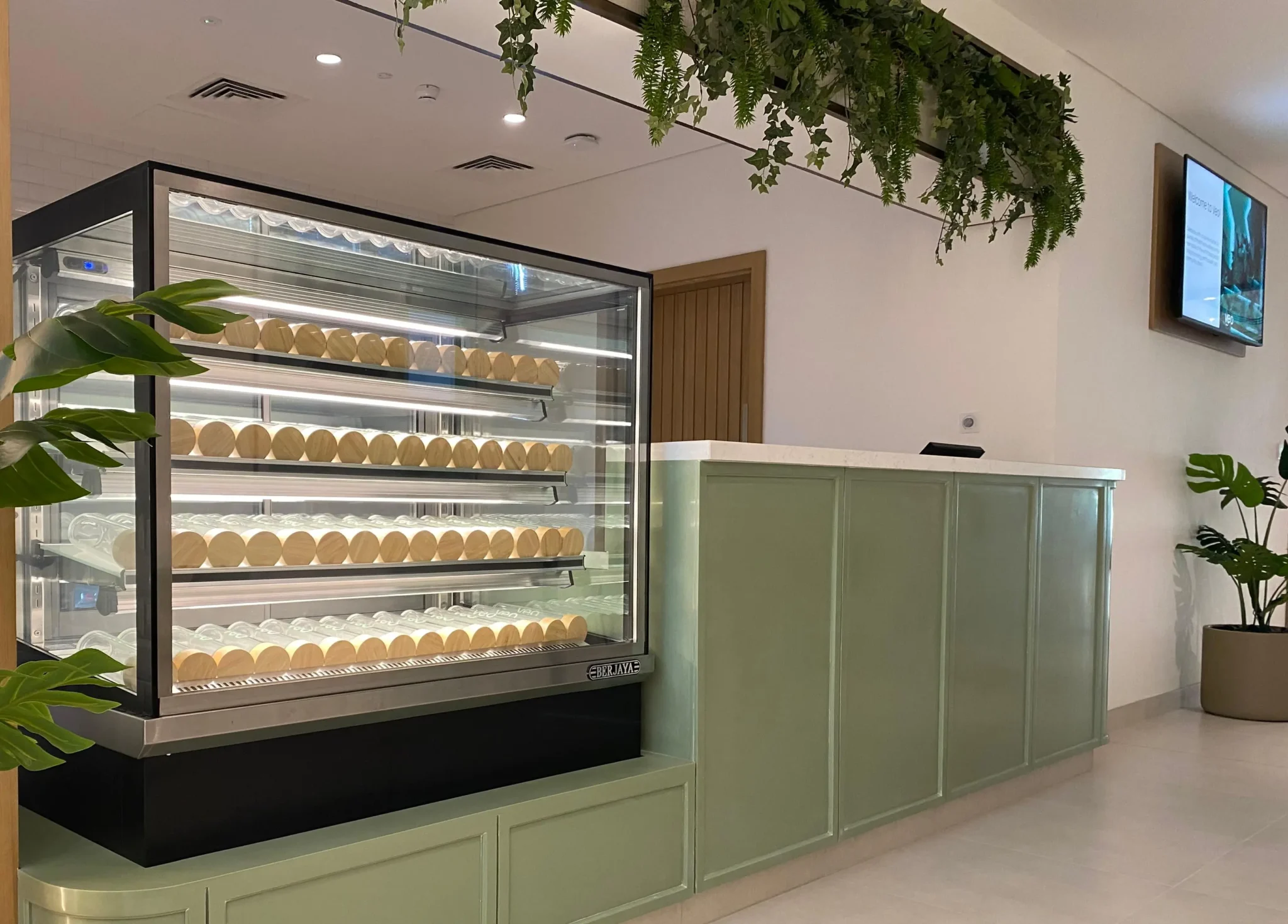
The countertop is one of the hardest-working surfaces in any kitchen, yet its impact on everyday cooking is easy to underestimate. Height, layout, material, durability, and available workspace can influence everything from food prep and cleanup to how comfortably you move around the kitchen. A poorly suited surface can make simple tasks frustrating, while a well-planned one can make cooking feel far more efficient.
This article explores how kitchen countertops can shape your cooking experience and the features worth considering.
Surface space supports better preparation
Generous countertop space gives cooks enough room to arrange ingredients, place cutting boards, set mixing bowls, and organize utensils. A cramped surface makes every task feel crowded, while a spacious counter keeps preparation orderly. The placement also matters. A worktop beside the cooking area lets ingredients move smoothly from prep to cooking. Smart positioning saves time during busy meal sessions.
Material affects daily cooking comfort
Different countertop materials offer distinct textures, temperatures, and maintenance needs. Quartz provides a smooth, durable surface that suits frequent kitchen activity. Granite handles heat well and adds a solid work area. Marble offers a cool surface that suits pastry preparation, while laminate provides an affordable option with many design choices. Selecting a material that matches cooking habits makes everyday tasks easier and more comfortable.
Countertop height influences posture
Counter height affects body comfort during chopping, kneading, stirring, and other repetitive tasks. A surface that sits too high may strain the shoulders, while a low counter can place pressure on the back. A suitable height keeps the arms in a relaxed position and supports better posture. Cooks who spend long periods preparing meals benefit greatly when the worktop suits their body proportions.
Easy cleaning keeps cooking areas practical
Food preparation produces spills, crumbs, oils, and stains, so a countertop with a simple cleaning routine helps maintain an orderly workspace. Nonporous surfaces resist liquid absorption and allow quick wiping after meal preparation. Smooth finishes also limit places where residue can settle. Regular cleaning keeps the cooking area fresh and reduces interruptions between different preparation tasks.
Heat resistance adds confidence
Hot cookware regularly reaches the countertop after cooking, making heat resistance an important feature. Granite and some engineered surfaces tolerate heat better than many other materials, while certain finishes may require protective trivets. Using suitable heat protection preserves the worktop and prevents avoidable marks. A dependable surface lets cooks focus on meals instead of worrying about every hot pan placement.