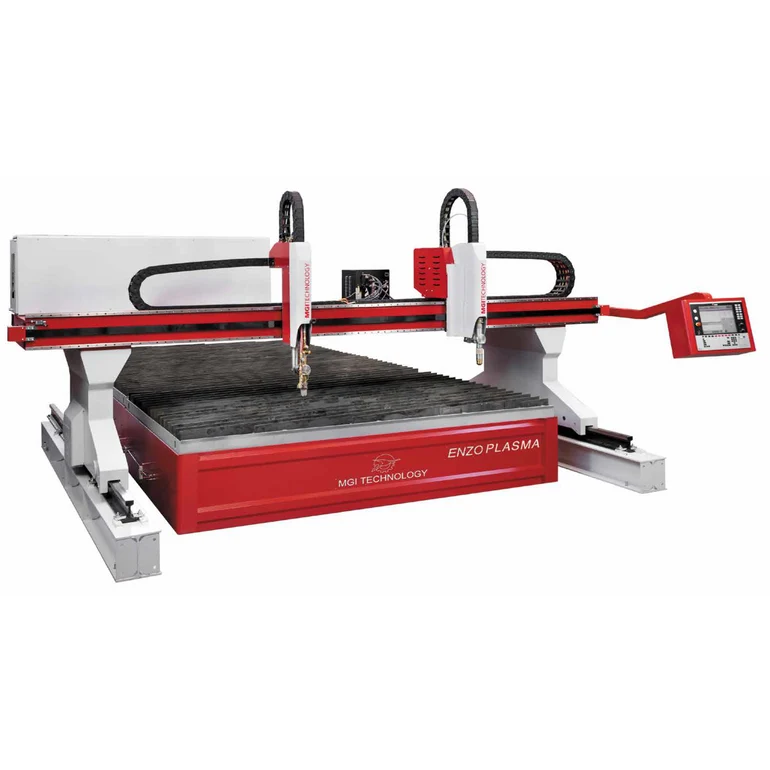
Safe CNC machining starts with strong habits at the machine. Aluminum cutting involves sharp tools, moving parts, flying chips, coolant, and high spindle speeds, so operators follow clear safety steps before every job. A safe work area protects people, tools, and equipment while supporting steady production. These basic practices also improve confidence during daily CNC aluminum cutting operations.
Wear proper safety gear
Operators wear approved safety glasses to protect their eyes from flying aluminum chips and coolant spray. Hearing protection helps reduce exposure to machine noise during long shifts. Close fitting work clothing, sturdy footwear, and suitable gloves for material handling also support safer work. Operators avoid loose sleeves, jewelry, and other items that could catch on moving components.
Inspect the machine before use
A quick machine check helps spot problems before cutting starts. Operators inspect the tool holder, cutting tool, workholding setup, coolant level, guards, and electrical connections. They also check for loose parts, damaged cables, unusual leaks, or debris around the work area. Any fault receives attention before the operator starts the spindle.
Secure the aluminum properly
Firm workholding keeps the aluminum stable during machining. Operators select suitable clamps, vises, or fixtures and check that the setup holds the material firmly. Loose stock may shift during cutting and damage the tool or machine. Operators also confirm that clamps stay clear of the cutter and that the tool has enough room to move.
Use the correct cutting settings
Correct spindle speed, feed rate, and cutting depth support safe machining. Excessive cutting pressure may generate heat, vibration, and tool damage. Operators follow approved machine settings and adjust them according to the aluminum grade, tool type, and job requirements. They also check tool condition before starting each production run.
Keep chips under control
Aluminum chips build up quickly during CNC work. Operators use suitable coolant, air, or chip removal systems to keep the cutting zone clear. They never reach into the machine while the spindle or automatic functions remain active. A brush, vacuum system, or approved chip tool helps remove waste safely after the machine stops.
Follow shutdown and emergency procedures
Every operator learns the location and function of the emergency stop button. If unusual vibration, noise, smoke, tool breakage, or other hazards appear, the operator stops the machine immediately and follows site procedures. After machining, the operator waits for complete spindle stoppage before opening the enclosure and cleaning the area.