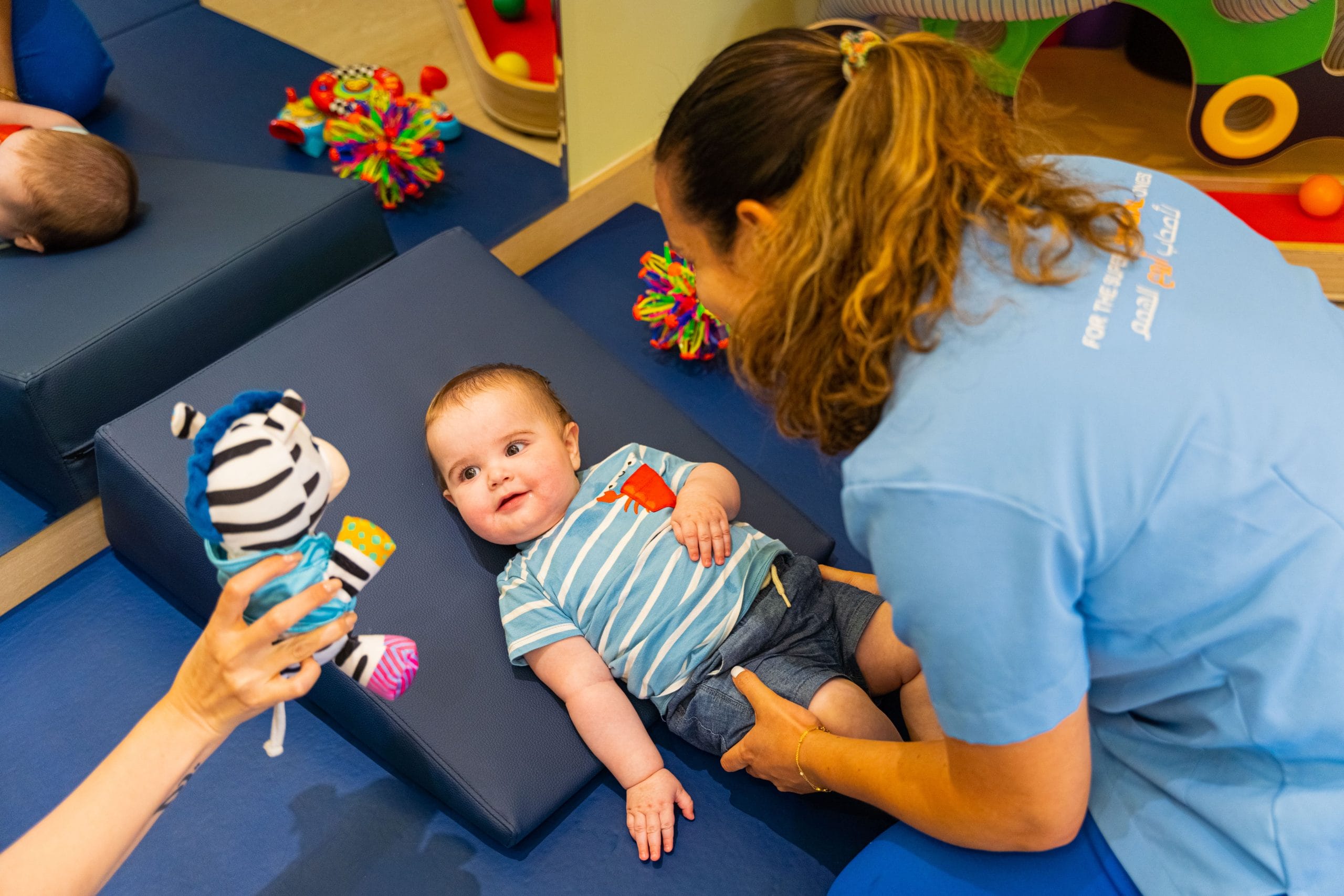
Children show progress through small daily changes that gradually become easier to notice. Better balance, smoother movements, and greater confidence during play can point toward meaningful development. Parents may also notice improved coordination during everyday tasks.
These signs provide useful clues about physical progress and show how consistent support through pediatric physiotherapy helps children build practical movement skills.
Better balance during movement
Improved balance stands out as an early sign of progress. A child may stand with greater stability, walk across a room with fewer stumbles, or manage stairs with improved control. During therapy sessions, exercises strengthen the muscles involved in posture and balance. Better stability also supports play, classroom activities, and daily routines that involve standing, walking, or changing positions.
Smoother coordination
Coordination improves when the brain and muscles work together with greater control. Parents may notice a child reaching for toys with improved accuracy, kicking a ball with better timing, or using both hands during play. Pediatric physiotherapy includes activities that encourage controlled movement and body awareness, helping children perform physical tasks with greater consistency during home and school routines.
Improved muscle strength
Growing strength gives children greater control during physical activities. A child may rise from the floor more easily, maintain a seated position longer, or participate in active play with improved stamina. Therapists select exercises suited to the child’s abilities and gradually increase physical challenges. Progress in strength supports movement during play, learning activities, and everyday tasks.
Greater confidence during play
Confidence provides another visible sign of physical progress. A child who once avoided climbing, jumping, running, or playground activities may begin joining peers with greater enthusiasm. As movement skills improve, physical activities become easier to manage. Positive experiences during therapy can also encourage children to explore new movements and participate more actively in games and recreational activities.
Greater independence with daily tasks
Progress becomes especially meaningful when children handle everyday activities with greater independence. A child may move between positions without assistance, walk farther, climb steps, or participate in dressing routines with improved control. These changes show practical benefits beyond therapy sessions. Regular practice at home can reinforce skills and help children use their physical abilities throughout daily life.